1. Prioritise Your Safety and Seek Medical Attention
Your health and safety should always be your first priority following a motor vehicle accident. Even if you believe your injuries are minor, it’s essential to seek urgent medical attention as soon as possible. Some injuries may not be immediately apparent and could worsen over time if left untreated. Getting a medical assessment will not only help protect your health but also provide important documentation of your injuries, which can be crucial if you decide to make a compensation claim later on. Key Tip: Keep all medical records, receipts, and reports from your doctor, as they will serve as valuable evidence when lodging a claim for compensation.2. Collect Information from the Other Driver
If you’re able to do so safely, obtain the necessary details from the other driver involved in the accident. This information is vital for any insurance claims or legal action you may be required to take. Make sure to collect the following details:- Full name of the other driver
- Driver’s licence details
- Vehicle registration number
- Address and contact number
- Insurance details
3. Look for Witnesses and Dash Cam Footage
If there are witnesses at the scene, try to collect their contact details, including their full name, phone number, and address. Witness statements can be incredibly helpful if there are disputes about what happened or who was at fault. Additionally, ask if anyone has dash cam footage that might have captured the accident. Dash cam footage can serve as valuable evidence in proving liability and supporting your claim. Key Tip: If you have a dash cam in your own vehicle, ensure you save the footage as soon as possible and keep it in a safe place.4. Report the Accident to the Police and Obtain a Collision Report Number
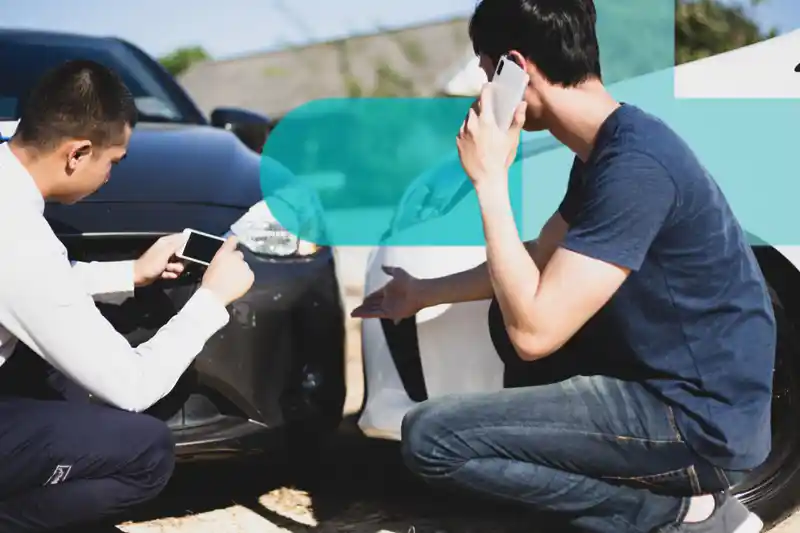
If the police do not attend the scene of the accident, it’s crucial to report the incident to your local police station as soon as possible. When you report the accident, you will be issued a vehicle collision report number, which will be important when lodging a claim with the insurer. Failing to report the accident could complicate your ability to pursue compensation, so make sure you take this step promptly. Key Tip: Provide the police with as much information as possible about the accident, including details of the other driver, any witnesses, and the circumstances of the collision.5. Take Photographs of the Scene and Vehicle Damage
Photographic evidence can be invaluable in supporting your claim and resolving any disputes about liability. If it’s safe to do so, take clear photos of the following:- Damage to all vehicles involved
- The overall accident scene, including road conditions, traffic signs, and skid marks
- The position of the vehicles after the accident
- Any visible injuries you may have sustained
6. Notify the CTP Insurer and Lodge Your Claim
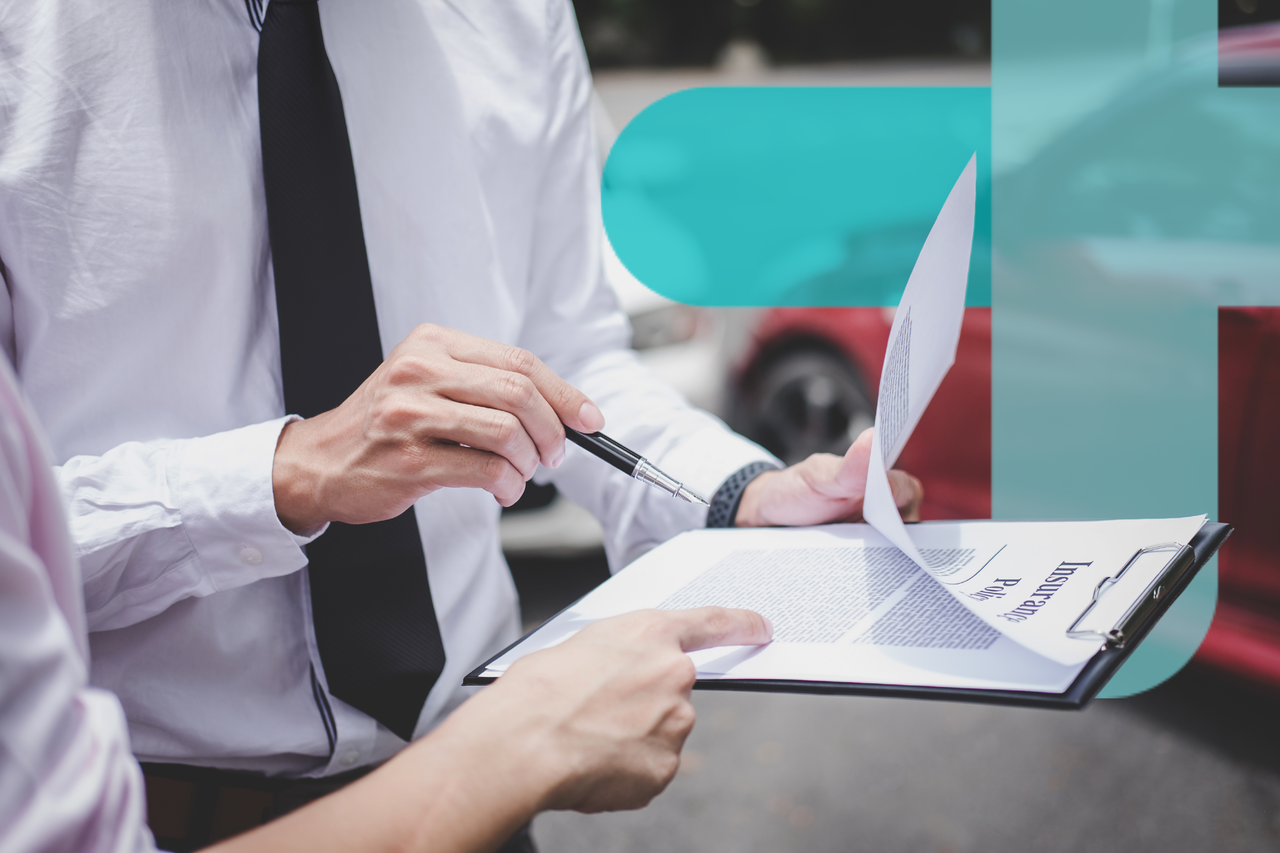
If you’ve been injured in the accident, you may be entitled to claim compensation through the Compulsory Third Party (CTP) insurance scheme. It’s essential to report the accident to the relevant CTP insurer as soon as possible, as this is the first step in lodging a claim for medical expenses and other compensation. The sooner you report the accident, the sooner your claim can be processed, and you can begin receiving the support you need for your recovery. When lodging your claim, be prepared to provide the following information:- Your details (name, address, contact information)
- Details of the accident (date, time, location)
- The vehicle collision report number from the police
- Information about the other driver(s) involved
- Medical reports and any receipts for expenses incurred